

Police are investigating racist signs plastered outside the entrances to two prominent community organizations in Vermont’s largest city, Burlington.
“It’s all gone,” Justin Marsh of the Pride Center of Vermont said while using a razor blade to scrape a sign and thick adhesive from the door of the center. “Now we can just be a place to folks to feel safe and welcomed.”
The sign, from a group calling itself the Patriot Front, appeared to call for a return to the America from centuries ago.
The Southern Poverty Law Center and the Anti-Defamation League both say the group espouses white supremacist, anti-Semitic, and other exclusionary views.
The Pride Center of Vermont is a non-profit that serves LGBT Vermonters, including through support for survivors of sexual and physical violence.
Executive director Mike Bensel said he is certain the poster targeted the center because of how it advocates for equality.
“This behavior won’t be tolerated—it’s not acceptable,” Bensel said of hanging posters that aim to intimidate or make others feel like they don’t belong. “This isn’t going to stop us from doing the work we do.”
Vermont
The latest news from around the state
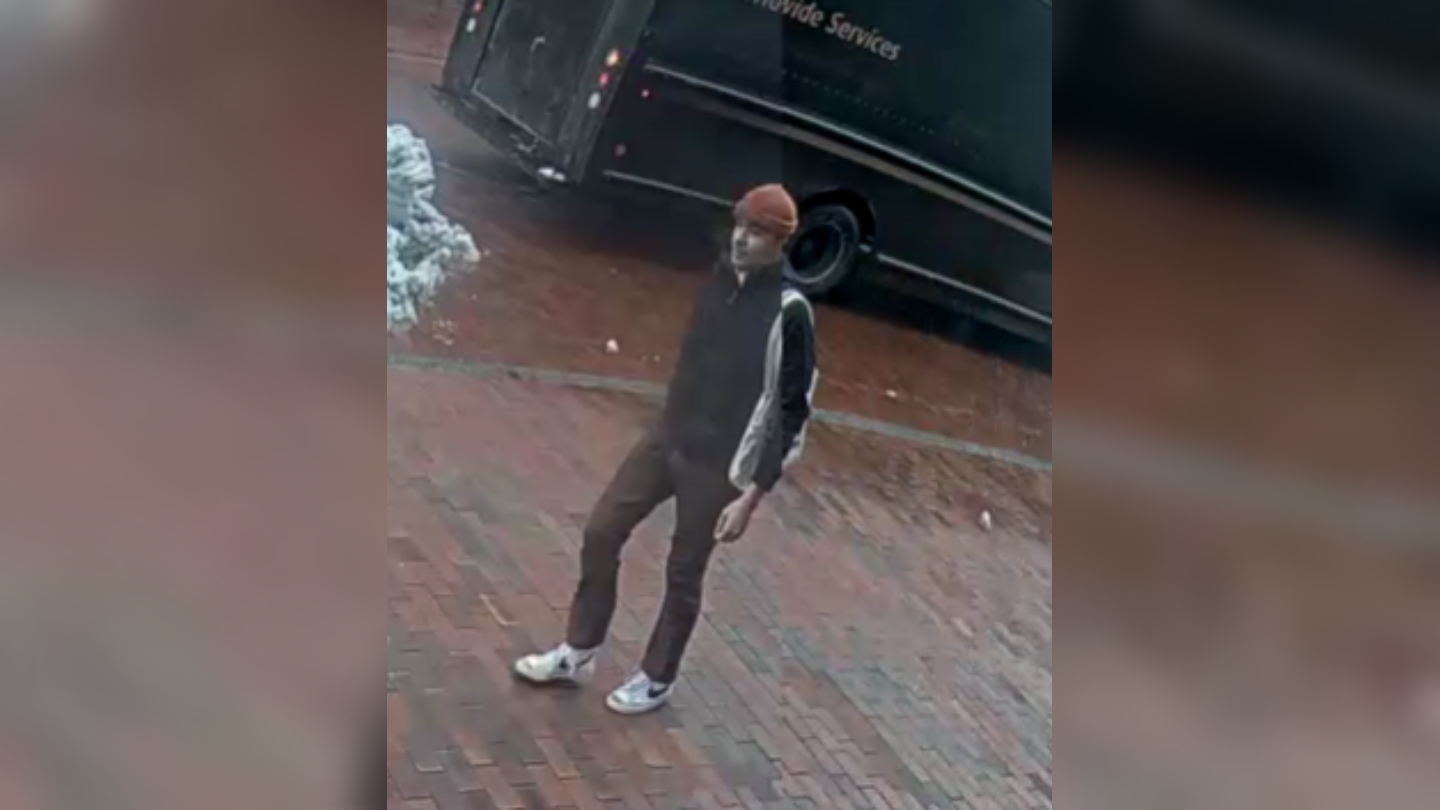

Whoever vandalized the Pride Center of Vermont didn’t stop there.
On the other side of Burlington, another sign was found plastered outside the Ohavi Zedek Synagogue.
“They do it because it terrorizes,” observed Rabbi Amy Small of Ohavi Zedek.
The synagogue quickly removed the sign, which was also applied with a heavy adhesive.
Rabbi Small said she’s been touched by seeing how members of the broader community have embraced their Jewish neighbors, ethnic minorities, or LGBT folks following acts like this in the past.
“We are going to overcome the hate by working together,” Small said.
Lt. Garry Scott heads the fair and impartial policing program for the Vermont State Police, which is one of several agencies with a renewed focus on investigating bias cases in the state.
“In Vermont, we have a collaborative approach now,” Scott said, explaining that a new reporting system through the attorney general’s office is enabling cases of bias to be better identified and documented, and for multi-agency resources to be better directed toward responding.
Since the posters struck fear in groups that often feel vulnerable, Scott said he hopes tips to the Burlington Police Department or to Vermont State Police will help identify a suspect.
“We want to be able to at least communicate with them, understand what the motivation is, why this is occurring, and what we can do better to stop it,” Lt. Scott said.
The Pride Center of Vermont said the discovery of the poster was particularly disturbing because it followed unrelated verbal threats made last week to the safety of Pride Center staff and visitors.
Those verbal threats led the organization to shut down for one day on Monday to make changes to its safety procedures, Bensel said.